Unlocking Sustainable Search Success Through Automation
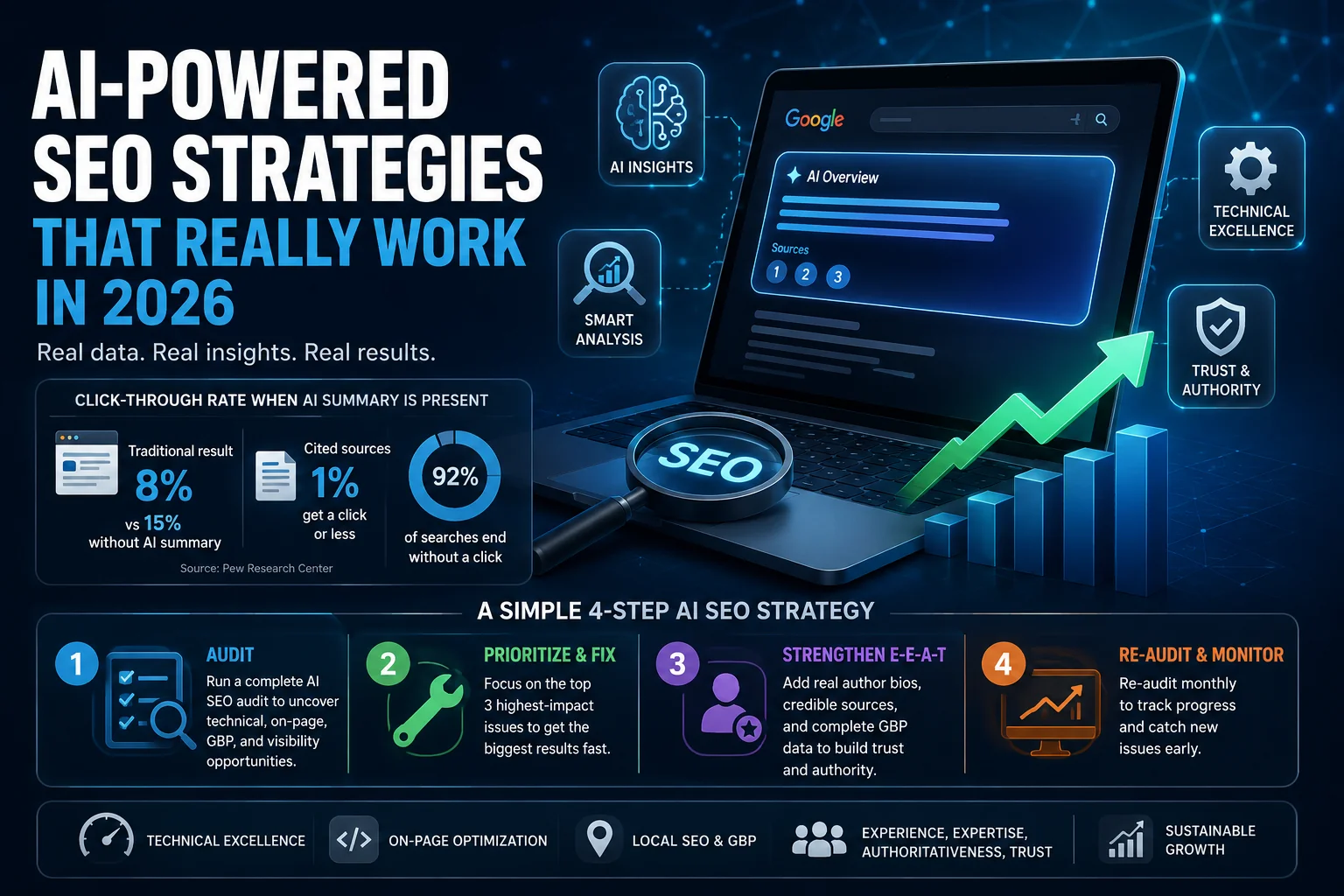
Algorithm updates introduce brand-new signals and deprecate old ones. Frequently updating your material strategy based upon efficiency data and industry changes keeps you competitive. What worked in 2024 might underperform today, making adaptability a core competency for content groups. Not all ranking aspects bring equal weight. Top quality content and site performance metrics heavily affect rankings, but knowing which particular aspects to enhance makes the distinction in between scattered efforts and strategic wins.
Search engines reward detailed coverage that demonstrates knowledge. Thin material with surface-level insights gets buried, while in-depth guides that respond to related concerns beyond the preliminary inquiry gain visibility. Originality matters too. Reworking existing content without including new viewpoints or information supplies little value. is no longer optional. With mobile-first indexing, online search engine examine your site mostly through its mobile experience.
A desktop-optimized website that stops working on mobile will struggle regardless of content quality. influences both rankings and user complete satisfaction. Sites that load in under 3 seconds maintain visitors and rank higher. Optimize images, minimize JavaScript, and leverage internet browser caching to enhance performance. Every second of hold-up increases bounce rates and signals poor user experience to search algorithms.
For SaaS material, this implies demonstrating industry understanding through in-depth case research studies, pointing out trusted sources, and showcasing author credentials. Search engines look for signals that your material comes from educated sources, not generic material mills.
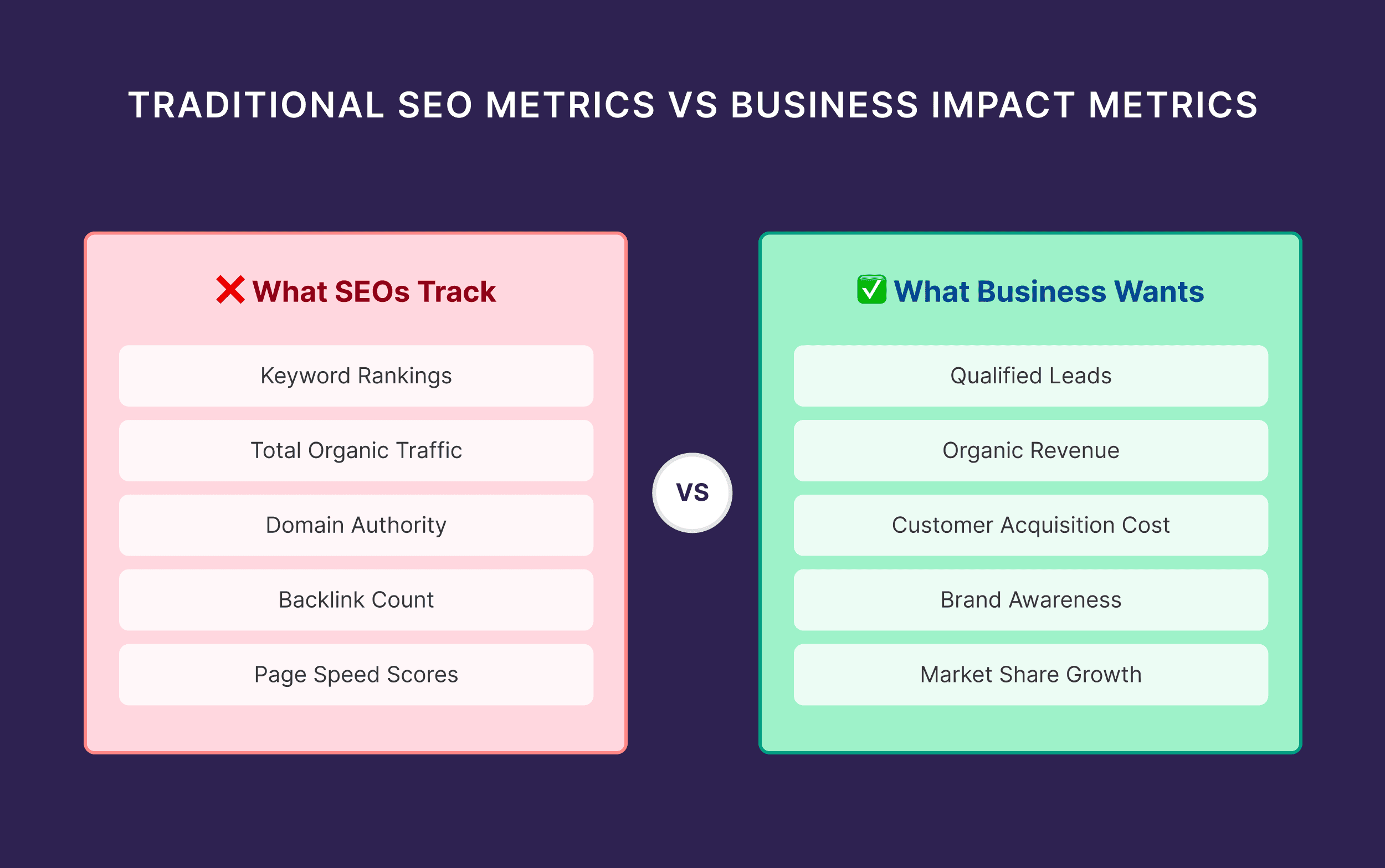
supports all other efforts. Appropriate indexing, tidy URL structures, XML sitemaps, and tactical internal connecting help browse engines crawl and comprehend your site architecture. CMS includes for SaaS material groups ought to consist of built-in technical SEO abilities to streamline optimization. Pro Suggestion: Utilize a content management checklist to ensure you address all important ranking factors systematically instead of counting on memory. Audit your existing content to determine which areas need immediate attention, then develop a roadmap that addresses high-impact improvements first. Understanding how ranking aspects progressed assists you allocate resources effectively. AI-enhanced metrics complement conventional SEO factors by adding much deeper material understanding, however traditional signals still matter. Element classification Standard SEO approach AI-enhanced method Keyword optimization Exact match keywords, density targets Semantic importance, natural language, intent matching Content examination Word count, keyword positioning Topic comprehensiveness, entity acknowledgment, context understanding Link analysis Backlink quantity, anchor text Link quality, topical authority, relationship networks User signals Click-through rates, time on page Engagement depth, complete satisfaction indications, task completion Technical elements Crawlability, indexing, site speed Structured data, schema markup, API ease of access Standard SEO focused greatly on keyword positioning and backlink acquisition.
Forward-Thinking Content Strategies for Modern Growth
This approach worked when algorithms relied mainly on text matching and link counting. AI metrics examine content semantically, understanding subjects beyond private keywords. Online search engine now acknowledge that "auto" and "vehicle" represent the exact same concept, and they assess whether your content covers related subtopics comprehensively. This shift rewards extensive, well-researched content over keyword-stuffed pages.
Standard metrics like bounce rate still matter, but AI systems now translate these signals in context. A high bounce rate on a quick-answer page may suggest success, while the same metric on a guide recommends failure. in 2026. Overlooking conventional SEO fundamentals like correct indexing and mobile optimization weakens AI-enhanced content.
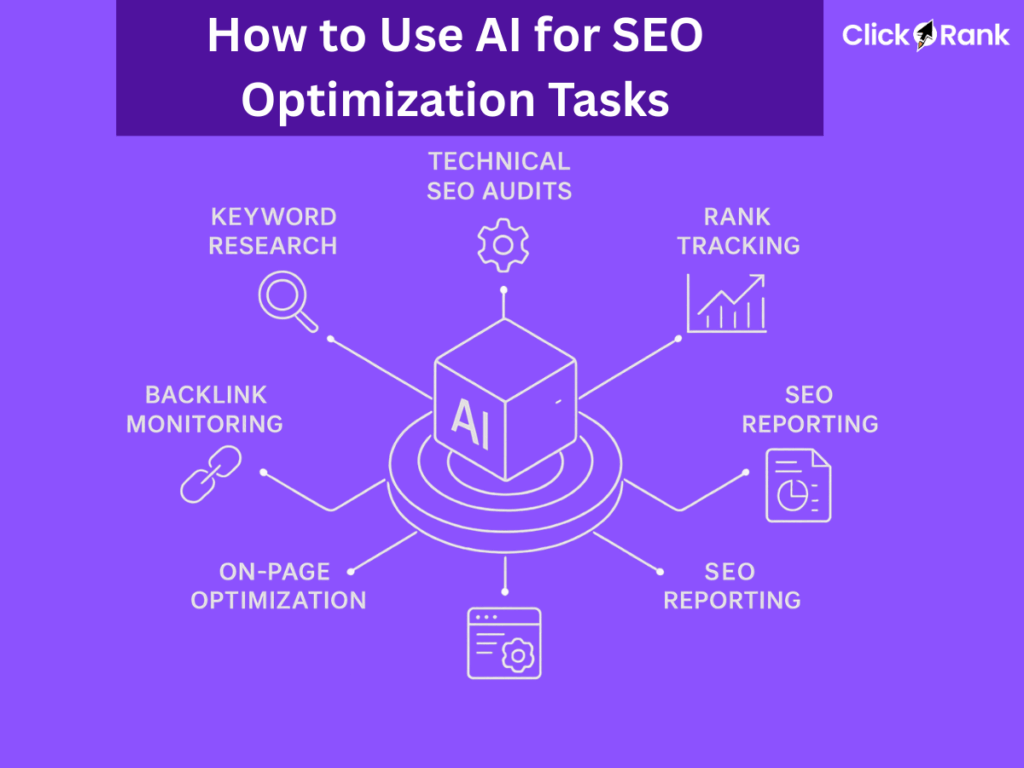
The crucial distinction lies in how you develop material. Traditional SEO motivated composing for search engines first, users second. AI-enhanced ranking benefits content created for users, then optimized for discoverability. This philosophical shift changes everything from research study to composing to promo. When planning brand-new material, think about both conventional signals (keywords, links, technical structure) and AI elements (semantic depth, intent fulfillment, engagement quality).
Knowing ranking elements matters little without execution. SaaS material strategists require practical workflows that equate insights into better search exposure and AI combination. Which ranking factors correlate with success?
Focus initially on pages with high traffic capacity but current ranking weaknesses. Update outdated statistics, expand thin sections, improve page speed, and boost mobile experience. Usage natural language processing tools to evaluate topic coverage and recognize spaces. These tools reveal associated ideas and concerns your material should resolve to enhance semantic significance and content optimization.
How to Automated Tools for Scale Traffic
Track rankings, traffic, and engagement weekly. When algorithm updates occur, analyze efficiency shifts to understand which elements altered in importance. Run A/B tests on different optimization approaches to see what works for your specific audience and industry.